


جميع المنتجات
-
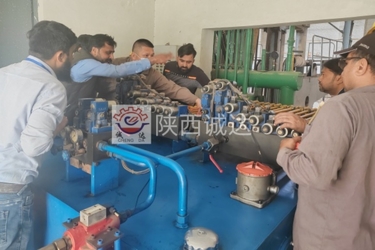 سيد رشيد أحمد بوتشركة شانشي تشنغدا للفرن الصناعي المحدودة أكملت تشغيل فرن القوس الكهربائي، تعاون العمال بعناية مع مهندسي تشنغدا لتعلم وتشغيل المعدات،معبرة عن الصداقة العميقة والتعاون الممتاز بين الشعبين الصيني والباكستاني.
 -
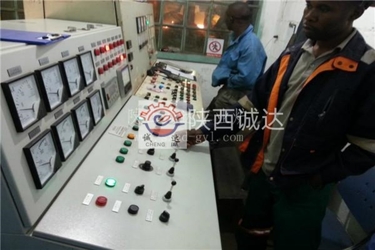 أبو بكربعد أكثر من شهر واحد من الإنتاج المكثف وتصحيح الأخطاءتم بنجاح إدخال 2 مجموعات من معدات غرف استنزاف غازات الدخان المتبادلة الحرارة إلى الخدمة ~ جميع الموظفين المشاركين في المشروع عملوا بجد!
 -
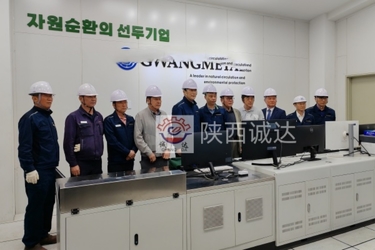 (جي-هوان)تهانينا الدافئة شركة شانشي تشينغدا لتصنيع الفرن الصناعي في كوريا الجنوبيةمنطقة تشونغ تشونغ الشمالية تثبيت معدات فرن صهر المعادن الثمينة والتصنيع الدقيق والتشغيل الصارم، نتطلع إلى المستقبل في المزيد من المجالات لتحقيق التعاون المفيد للجانبين!
اتصل شخص :
Du
رقم الهاتف :
13991381852
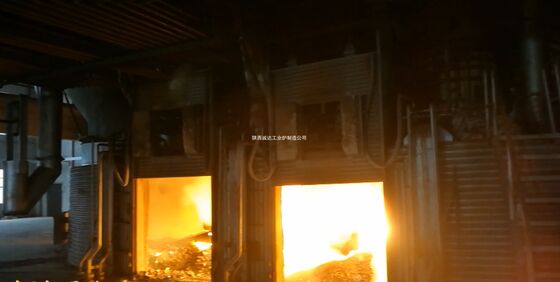
فرن القوس المتواصل المغمور الكبير ذو ستة أقطاب الكهربائية مع أبرز تكنولوجيا العالم / براءات الاختراع

| مكان المنشأ | الصين |
|---|---|
| اسم العلامة التجارية | Shaanxi Chengda |
| إصدار الشهادات | ISO 9001 |
| رقم الموديل | التفاوض بناءً على قدرة معالجة المعدات |
| الحد الأدنى لكمية | 1 وحدة |
| الأسعار | The price will be negotiated based on the technical requirements and supply scope of Party A |
| تفاصيل التغليف | ناقش وفقًا للمتطلبات المحددة للطرف أ |
| وقت التسليم | 2 أشهر |
| شروط الدفع | ل / c، / تي تي، ويسترن يونيون |
| القدرة على العرض | أكمل سلسلة التوريد الإنتاجية ، والتوريد في الوقت المحدد ، وتلبية معايير الجودة |
تفاصيل المنتج
| إبراز | فرن القوس الغارق ذو ستة أقطاب كهربائية متواصلة,فرن القوس الكبير لصناعة الصلب,فرن القوس الغارق مع براءات الاختراع |
||
|---|---|---|---|
منتوج وصف
فرن القوس الغارق ذو الستة أقطاب الكهربائية الكبيرة
فرن القوس المغمور الكبير ذو الستة أقطاب كهربائية ثابتة هو جهاز صهر معدني عالي الكفاءة وذو قدرة كبيرةإنتاج السبائك الحديدية على نطاق واسع والسيليكون الصناعي وكربيد الكالسيومبناءً على مزايا أفران الأربعة أقطاب الكهربائية ، فإنه يتبنى تخطيطًا للكهرباء السداسية لتحقيق توزيع تيار أكثر توحيدًا ، وتحريك كهرومغناطيسي أقوى ،وكفاءة صهر أعلى، مما يجعلها مثالية لمشاريع الصهر على نطاق واسع للغاية (القوة المسجلة ≥ 80MVA).
1الهيكل الأساسي ومبدأ العمل
المكونات الأساسية
| النظام | المكونات الرئيسية والمواصفات |
|---|---|
| نظام الكترود | ستة كهرباء من الجرافيت/الكهرباء ذاتية الخبز مرتبة في هيكساجون عادي؛ قطرها 1000~1400mm؛ آلية رفع مستقلة وتعديل التيار لكل كهرباء |
| نظام إمدادات الطاقة | محول محرّك ثيوريستور (تصميم النوع المنقسم: 2 ′′ 3 خزانات محرّك في موازية) ؛ مفاعل متزامن؛ شبكة قصيرة مع شريط الحافز النحاسي منخفض المقاومة؛ الطاقة الاسمية 80 ′′ 150MVA |
| هيكل جسم الفرن | غلاف فولاذي + غطاء مقاوم للنيران متعدد الطبقات (طوب الكوروندوم المغنيسيوم + كتلة الكربون)أنود أسفل الفرن الموصل (طوب الكربون الجرافيت + طبقة النحاس الموصلة) لحمل كثافة التيار العالية (≤5A/cm2)؛ طاقة الفرن 150500 طن |
| الأنظمة المساعدة | نظام مياه التبريد عالية التدفق؛ نظام التحكم الذكي PLC + DCS؛ نظام إزالة الغبار بالدائرة المغلقة؛ نظام تغذية كمية تلقائي |
مبدأ العمل
يتم إخراج التيار المستمر من نظام المُستقيم ويتم توزيعه على الستة أقطاب الكترونية العليا (الكاثودات). يتم إشعال القوس بين الأقطاب الكترونية والشحنة،والتيار يتدفق من خلال القوس الغارق والبركة المنصهرة إلىالأندود السفلي للفرن الموصل، تشكل الدائرة الرئيسية المستقرة. يخلق تخطيط الأقطاب الكهرومغناطيسية الستة الأطراف حقلًا كهرومغناطيسيًا متماثلًا ، مما يدفع البركة المنصهرة إلى إجراء تحريك دائري عالي الكثافة.هذا يسرع تفاعل تخفيض الخامات ويضمن درجة حرارة موحدة وتكوين الذوبان.
2المعلمات التقنية الرئيسية (النماذج النموذجية الكبيرة جداً: 80-150MVA)
| مؤشر المعلمات | مجموعة المواصفات |
|---|---|
| الطاقة المسجلة | 80-150MVA |
| إجمالي التيار المستمر المسموح به | 60 125kA (10 21kA لكل كهرباء ، قابلة للتعديل بشكل مستقل) |
| الجهد الدخالي المتردد | 10001500 فولت |
| قطر الكهرباء الواحدة | 1000 ∼ 1400 ملم |
| السعة الاسمية للفرن | 150 ¥ 500 طن (التصوير بالفوائض للسبائك الحديدية) |
| درجة حرارة الذوبان | 1900~2300 درجة مئوية |
| استهلاك الطاقة | 3600-4500kWh/t (السيليكون الصناعي) ؛ 2800-3500kWh/t (الفيروكروم عالي الكربون) |
| استهلاك الكترود | 0.4 ∙ 0.8 كجم/طن (أقل بنسبة 20% من أفران التيار المستمر ذات الأربعة أقطاب الكهربائية) |
| نظام مياه التبريد | معدل التدفق الإجمالي 8001500m3/h، ضغط الماء 0.450.65MPa؛ الموصلة ≤50μS/cm |
| كفاءة إزالة الغبار | ≥99.8٪؛ تركيز الانبعاثات ≤5mg/m3 |
| كثافة التحريك الكهرومغناطيسي | 1.2 1.8T (كثافة الحث المغناطيسي) |
| عمر الخدمة | 3-5 سنوات (لذوبان السبائك الحديدية) |
3المزايا الرئيسية مقابل أفران القوس الغارقة ذات الأربعة أقطاب الكترونية
| الميزة | وصف مفصل |
|---|---|
| توزيع موحد للتيار والحرارة | تخطيط الأقطاب الكهربائية الستة الأطراف يزيل النقاط الساخنة المحلية في بركة الذوبان؛ الفرق في درجة الحرارة داخل الفرن ≤50 °C ، مما يضمن تركيبة منتج متسقة |
| كثافة طاقة أعلى وكفاءة الصهر | يدعم إدخال طاقة عالية للغاية (حتى 150MVA) ؛ يتم تقصير دورة الصهر بنسبة 15 ٪ مقارنة بأفران الأربعة أقطاب الكترونية ؛ زيادة الإنتاج الساعي بنسبة 20 ٪ |
| انخفاض استهلاك الطاقة والإلكترودات | الحقل الكهرومغناطيسي المتماثل يقلل من فقدان طاقة القوس؛ انخفاض استهلاك الطاقة بنسبة 8 ٪ إلى 12 ٪ ؛ التحكم في تيار الأقطاب الكهربائية المستقلة يمنع الإفراط في حرق الأقطاب الكهربائية الفردية ، مما يقلل من الاستهلاك بنسبة 20 ٪ |
| استقرار النظام الأقوى | تصميم إمدادات الطاقة من النوع المنقسم: إذا فشل أحد خزانات المُستقيمات ، يمكن للآخرين الاستمرار في العمل (معدل الحمل ≥ 60٪) ، تقلبات الجهد المنخفضة (≤ ± 5٪) ، ودية لشبكة الطاقة |
| قدرة أكبر على التوسع | تصميم الأقطاب الكهربائية وموارد الطاقة المندول يسمح بتوسيع القدرة خطوة بخطوة (على سبيل المثال ، الترقية من 80MVA إلى 150MVA دون استبدال جسم الفرن) |
4سيناريوهات التطبيق
- إنتاج السبائك الحديدية الكبيرة للغاية
صهر الفيروكروم ذو الكربون العالي والفيروسيليكون والسيليكومانغنيز والفيروتونغستن؛ مناسبة للمشاريع ذات الإنتاج السنوي ≥100000 طن.
- صهارة السيليكون الصناعية عالية النقاء
ينتج السيليكون بنسبة نقاء ≥ 99.9٪ لصناعات أشباه الموصلات والطاقة الشمسية؛ الحقل الحراري المستقر يقلل من محتوى الشوائب.
- تصنيع كربيد الكالسيوم على نطاق واسع
إنتاج كربيد الكالسيوم من فرن واحد ≥ 200 طن / دفعة ؛ محتوى الكربيد ≥ 85٪ ؛ انخفاض استهلاك الطاقة بنسبة 10 ٪ إلى 15 ٪ مقارنة بالأفران التقليدية.
- صهارة المعادن النادرة
صهارة تخفيض من خام النيكل الكوبالت، خام التنتالوم النيوبيوم، ومغناطيت الفاناديوم التيتانيوم؛ معدل استرداد عنصر السبائك العالي (≥97٪).
5العملية النقاط الرئيسية والصيانة
احتياطات التشغيل
- تحكم عمق إدخال الكترود: الحفاظ على عمق إدخال 1.5 ∼ 2.0m لكل كهرباء لضمان حرق القوس الغارق ؛ تجنب التعرض لقوس (يتسبب في فقدان الطاقة وانبعاث الغبار).
- تعديل الرصيد الحالي: الحفاظ على فرق التيار بين الأقطاب الكهربائية ≤5٪ عبر نظام DCS ؛ منع الإفراط في تحميل الأقطاب الكهربائية الفردية.
- تحسين نظام الحطام: اعتماداً على الخث ذو القاعدة العالية (R=2.0~2.5) لتحسين معدل إزالة الكبريت (≥90%) وتقليل تآكل الغطاء.
تركيز الصيانة
- صيانة الأقطاب الكهربائية: تحقق بانتظام من ضيق مفاصل الأقطاب الكهربائية، واستبدال الأقطاب الكهربائية عندما يكون الطول المتبقي ≤ 500 ملم لتجنب الكسر.
- تفتيش الأندود السفلية في الفرن: اختبار موصلة قاع الفرن كل 3 أشهر؛ إصلاح الكتلة الكربونية في الوقت المناسب إذا تم العثور على الشقوق.
- مراقبة نظام التبريد: مراقبة تدفق المياه في الوقت الفعلي وفرق درجة حرارة الأقطاب الكهربائية وجسم الفرن ؛ إيقاف التشغيل على الفور إذا كان تدفق المياه غير كاف لمنع الإرهاق.
6مقارنة تقنية مع أفران القوس الغارقة ذات الأربعة أقطاب الكترونية
| السمة | فرن القوس الغارق ذو الستة أقطاب الكهربائية الكبيرة | فرن القوس الغارق ذو أربعة أقطاب متواصلة |
|---|---|---|
| تخطيط الإلكترود | هيكساجون منتظم (متماثل) | مربع (التيار المحلي غير المتماثل) |
| القوة القياسية القصوى | 150MVA | 63MVA |
| توحيد درجة الحرارة | الفرق ≤50 درجة مئوية | الفرق بين 80 و 120 درجة مئوية |
| استهلاك الطاقة | 3600 ¥4500 كيلوواط الساعة/طن | 3800~4800kWh/t |
| الناتج بالساعة | 20~30% أعلى | الناتج القياسي |
| تكلفة التجديد | عالية (يتطلب جسم فرن جديد) | متوسط (التجديد من أفران التيار المتردد ممكن) |
| المقياس المعمول به | المواد الكبيرة جداً (≥100000 طن/عام) | المتوسطة والكبيرة (30,000 ¥100,000 طن/سنة) |
7. اتجاهات التنمية
- ذوبان ذكي: دمج تكنولوجيات الذكاء الاصطناعي والإنترنت من أجل تحقيق تعديل تلقائي لتيار الأقطاب الكهربائية وسرعة التغذية وتفريغ الحطام؛ تحقيق عملية غير مأهولة في الموقع.
- إعادة تدوير الطاقة: الجمع بين أنظمة توليد الطاقة الحرارية النفايات لاسترداد حرارة غازات الدخان (درجة الحرارة ≥1200 درجة مئوية) ، مما يقلل من استهلاك الطاقة الإجمالي بنسبة 20 ٪.
- الذوبان الأخضر: تبني تصميم جسم الفرن المغلق + إزالة الغبار الجاف لتحقيق تصريف صفر للمياه العادمة وانبعاثات منخفضة للغاية للملوثات.
المنتجات الموصى بها
