


جميع المنتجات
-
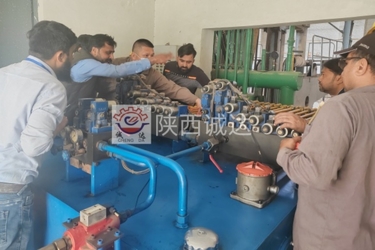 سيد رشيد أحمد بوتشركة شانشي تشنغدا للفرن الصناعي المحدودة أكملت تشغيل فرن القوس الكهربائي، تعاون العمال بعناية مع مهندسي تشنغدا لتعلم وتشغيل المعدات،معبرة عن الصداقة العميقة والتعاون الممتاز بين الشعبين الصيني والباكستاني.
 -
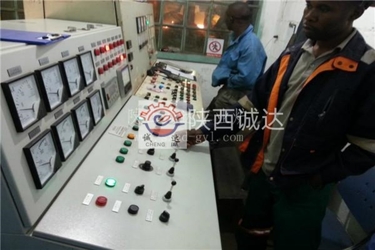 أبو بكربعد أكثر من شهر واحد من الإنتاج المكثف وتصحيح الأخطاءتم بنجاح إدخال 2 مجموعات من معدات غرف استنزاف غازات الدخان المتبادلة الحرارة إلى الخدمة ~ جميع الموظفين المشاركين في المشروع عملوا بجد!
 -
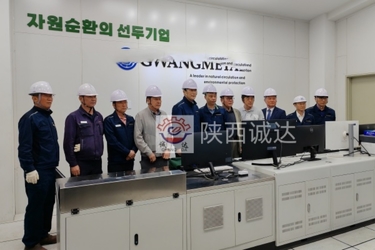 (جي-هوان)تهانينا الدافئة شركة شانشي تشينغدا لتصنيع الفرن الصناعي في كوريا الجنوبيةمنطقة تشونغ تشونغ الشمالية تثبيت معدات فرن صهر المعادن الثمينة والتصنيع الدقيق والتشغيل الصارم، نتطلع إلى المستقبل في المزيد من المجالات لتحقيق التعاون المفيد للجانبين!
اتصل شخص :
Du
رقم الهاتف :
13991381852
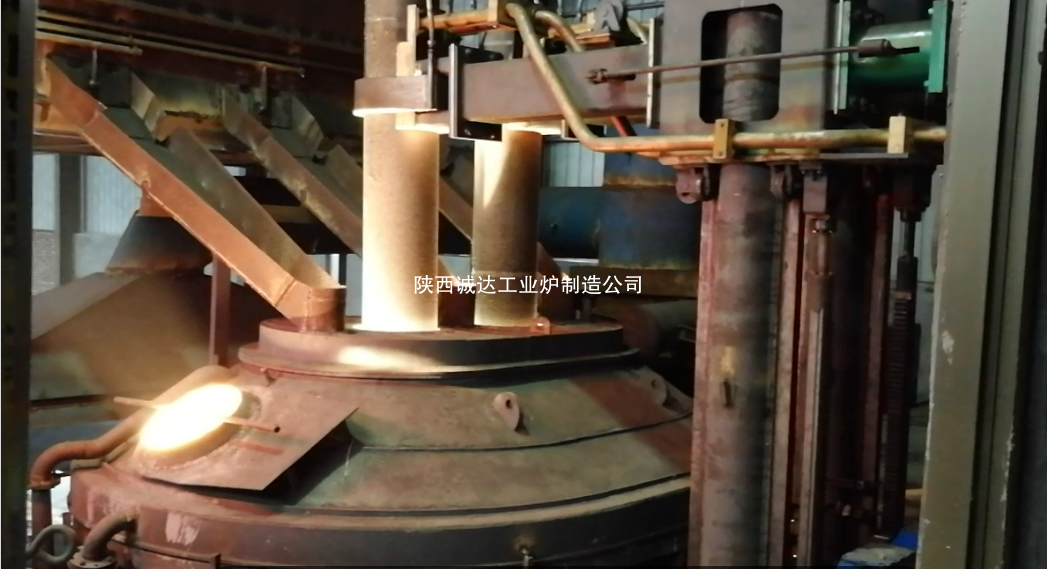
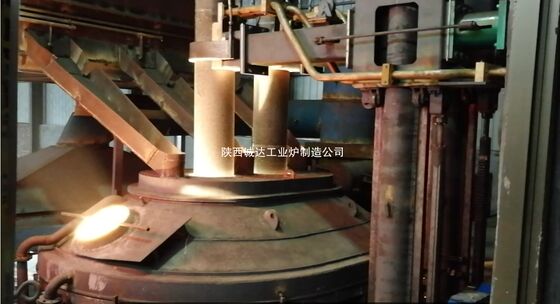
فرن القوس المتردد ذو الكترودين مع أبرز تكنولوجيا العالم / براءات الاختراع
| مكان المنشأ | الصين |
|---|---|
| اسم العلامة التجارية | Shaanxi Chengda |
| إصدار الشهادات | ISO 9001 |
| رقم الموديل | التفاوض بناءً على قدرة معالجة المعدات |
| الحد الأدنى لكمية | 1 وحدة |
| الأسعار | The price will be negotiated based on the technical requirements and supply scope of Party A |
| تفاصيل التغليف | ناقش وفقًا للمتطلبات المحددة للطرف أ |
| وقت التسليم | 2 ~ 3 أشهر |
| شروط الدفع | ل / c، / تي تي، ويسترن يونيون |
| القدرة على العرض | أكمل سلسلة التوريد الإنتاجية ، والتوريد في الوقت المحدد ، وتلبية معايير الجودة |
تفاصيل المنتج
| إبراز | فرن القوس المتردد ذو الكترودين,فرن القوس المتردد مع براءات الاختراع,فرن القوس المتردد في صناعة الصلب |
||
|---|---|---|---|
منتوج وصف
فرن القوس المتردد ذو الإلكترودين (DE-DC EAF) هو معدات صهر تستخدم إلكترودين من الجرافيت (كاثود واحد وأندود واحد) لتشكيل قوس متردد ، مع قوس مستقرة ، ضوضاء منخفضة ،واستهلاك الكترود المنخفض، مناسبة لصناعة الصلب، صهر غير الحديدي، وإعادة تدوير المعادن. أدناه نظرة عامة تفصيلية التقنية والتطبيق:
الهيكل الأساسي ومبدأ العمل
- المكونات الأساسية: إلكترودان من الجرافيت (الكاثود + الأندود) ، إمدادات الطاقة المتواصلة (تصحيح التايريستور) ، جسم الفرن (غطاء الفرن المبرد بالماء / الجدار ، الغطاء الحارق) ، آلية رفع الإلكترود ،والمنود السفلي الاختياري (لبعض التكوينات).
- مبدأ العمل: يتدفق التيار المستمر من الكهرباء الانهودية عبر حمام الذوبان إلى الكهرباء الكاثودية ، مما يشكل قوسين (واحد بين كل كهرباء والحمام).فإنه يتجنب التصميم المعقد من الأقطاب الأنفية أسفل واحد الكهرباء المترددة EAF وسهلة لتعزيز من الفرن التيار المتردد.
- خصائص القوس: الأقواس مستقرة ومركزة ، بزاوية انحناء 15 درجة إلى 30 درجة نحو الحمام ؛ القوة الكهرومغناطيسية تجعل القوس يدور حول المركز (عدة مرات في الثانية) ،ضمان تدفئة متساوية.
المعلمات التقنية الرئيسية (المجموعات النموذجية)
| المعلم | المختبر/ صغير (≤5 طن) | الصناعية/ المتوسطة (550 طن) | الصناعية/ الكبيرة (≥50 طن) |
|---|---|---|---|
| السعة المسموح بها | 0.5 5 طن | 5 ‰ 50 طن | 50-420 طن |
| الجهد الدخالي المتردد | 300 ∼ 500 فولت | 500 ‰ 800 فولت | 800-1200 فولت |
| التيار المسموح به | 1 ′′5kA | 5 ′′20kA | 20~280kA (على سبيل المثال ، فرن 420t: 280kA إجماليًا) |
| الطاقة المسجلة | 0.5 2 ميجاوات | 2 ¥ 10 ميجاوات | 1050 ميجاوات |
| قطر الكهرباء | 200×400ملم | 400×700ملم | 700-1200ملم |
| ضوضاء الذوبان | ≤90dB | 85 88dB (15dB أقل من AC EAF) | 85 ≈ 90 ديسيبل |
| استهلاك الكترود | ≤1.2kg/t | 0.8 ≈ 1.0kg/t (50٪ أقل من AC EAF) | 0.6 ∙ 0.9 كجم/طن |
| معدل الذوبان | 2°4°C/min | 4°6°C/min | 5°8°C/min |
| درجة حرارة الضغط | 1600~1700 درجة مئوية | 1650~1800 درجة مئوية | 1700~1850°C |
المزايا الرئيسية مقابل الأفران التقليدية
- استقرار القوس وتسخين موحد: لا توجد إشارة قوس؛ التحريك الكهرومغناطيسي للحمام يزيل النقاط الساخنة، مما يقلل من تآكل الغطاء بنسبة 20٪ ٪ 30٪.
- انخفاض استهلاك الطاقة والإلكترود: استهلاك الطاقة أقل بنسبة 5 ٪ ٪ من EAF AC ؛ انخفض استهلاك الأقطاب الكهربائية بنسبة ~ 50٪ مقارنة مع EAF AC (مستوى EAF DC الأقطاب الكهربائية الواحدة).
- صديقة الشبكة: تقلبات صغيرة في الجهد وتغيرات في الطاقة التفاعلية؛ مفاعل التيار المباشر يقمع التيار الداخلي، مناسبة للمناطق ذات الشبكات الضعيفة.
- تعديلات مرنة: لا توجد حاجة إلى أنودات أسفل معقدة؛ يمكن تحويل أوعية الفرن المتردد الحالية إلى DE-DC EAF بتكلفة منخفضة.
- ضجيج منخفض: ضوضاء الذوبان هي ~ 87dB (15dB أقل من AC EAF) ، مع المكونات ذات الترددات العالية التي من السهل عزلها.
سيناريوهات التطبيق
- صهارة الصلب الخاصة: الفولاذ المحمل ، الفولاذ المقاوم للصدأ منخفض الكربون ، الفولاذ المقاوم للحرارة ؛ معدل استعادة السبائك العالي (≥ 96٪ لـ Ni / Cr / Mo).
- المعادن غير الحديدية: صهارة المغنيسيوم (أفران القوس المغمورة بموجة متواصلة) ، صهارة سبائك النحاس / النيكل؛ التشغيل المستقر والحبوب الكبيرة.
- إعادة تدوير المعادن: الخردة الصلبية، بقايا نفايات الصهر، واستعادة المعادن النادرة؛ القدرة على التكيف مع المواد الخام.
- معالجة المعادن الحارقة: ذوبان سبائك التولفستين / الموليبدينوم (مع تسخين البلازما المساعد).
ملاحظات تشكيل وعملية نموذجية
- تشكيل الكهرباء: اثنين من الأقطاب الكهربائية العليا (الكاثود + الأقطاب الكهربائية) هي القياسية؛ بعض الأفران الكبيرة تضيف 2 ٪4 الأقطاب الكهربائية السفلية المبردة بالماء لتحقيق التوازن في توزيع التيار.
- نظام إمدادات الطاقة: مقوّم التايريستور + مفاعل التيار المباشر؛ يتم ضبط طول القوس تلقائيًا بواسطة آلية رفع الأقطاب الكهربائية لتحقيق استقرار طاقة الدخول.
- نظام التبريد: معدل تدفق المياه الإجمالي 10500m3 / h ، ضغط المياه 0.3 ٪ 0.6MPa ، والموصلات ≤ 50μS / cm لمنع ارتفاع درجة حرارة الأقطاب الكهربائية.
- التحكم في الغلاف الجوي: اختياري الاغلاق الأرجون / النيتروجين للحد من الأكسدة وتحسين استعادة السبائك.
مقارنة مع أنواع الفرن الأخرى
| السمة | الالكترونات المزدوجة للاتجاه المتردد | الالكترود الواحد للطاقة الكهربائية المتواصلة | ثلاثي المراحل AC EAF |
|---|---|---|---|
| الترتيب الكهربائي | إلكترودان أعلى (الكاثود + الأندود) | كاثود واحد أعلى + أنود أسفل | ثلاثة أقطاب فوقية |
| الأندود السفلي | اختياري (تصميم أبسط) | إلزامية (تصميم معقد) | غير مطلوب |
| استقرار القوس | عالية | عالية | منخفضة |
| استهلاك الكترود | منخفضة (~ 0.8~1.0kg/t) | منخفضة | مرتفع (~ 2.0 ∼ 3.0 كجم/طن) |
| تكلفة التجديد | منخفضة (من أفران AC) | عالية | لا |
| مستوى الضوضاء | منخفضة (85 88dB) | منخفضة | عالية (100-110 دي بي) |
اتجاهات التنمية
- قوة فائقة: تطبق الأفران الكبيرة (على سبيل المثال ، 420t) تكوينات الكاثودين + الأناود متعددة القاع لتحسين كثافة الطاقة.
- تكنولوجيا توفير الطاقة: يقلل استهلاك الطاقة بنسبة 10٪ إلى 15٪ مع احتراق وقود الأكسجين واسترداد حرارة النفايات.
- التحكم الذكي: أنظمة التحكم في طول القوس ودرجة الحرارة القائمة على الذكاء الاصطناعي لتحسين دورات الصهر.
- حماية البيئة: إزالة الغبار بكفاءة عالية (تركيز الانبعاثات ≤10mg/m3) وتشغيل منخفض في NOx.
ملخص
أفران القوس المتردد مزدوجة الأقطاب توازن بين الأداء والتكلفة والمرونة ، مما يجعلها مناسبة لكل من المصانع الجديدة وتعديلات AC إلى DC. يتم استخدامها على نطاق واسع في صناعة الصلب عالية الجودة ،صهارة غير الحديدية، وإعادة تدوير المعادن ، مع مزايا كبيرة في توفير الطاقة وحماية البيئة واستقرار التشغيل.
المنتجات الموصى بها
