


جميع المنتجات
-
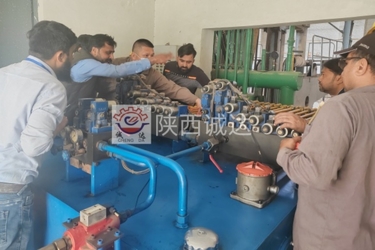 سيد رشيد أحمد بوتشركة شانشي تشنغدا للفرن الصناعي المحدودة أكملت تشغيل فرن القوس الكهربائي، تعاون العمال بعناية مع مهندسي تشنغدا لتعلم وتشغيل المعدات،معبرة عن الصداقة العميقة والتعاون الممتاز بين الشعبين الصيني والباكستاني.
 -
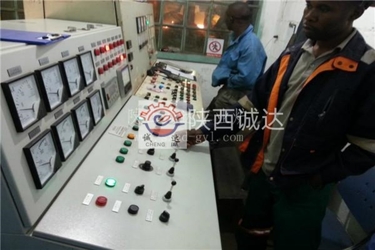 أبو بكربعد أكثر من شهر واحد من الإنتاج المكثف وتصحيح الأخطاءتم بنجاح إدخال 2 مجموعات من معدات غرف استنزاف غازات الدخان المتبادلة الحرارة إلى الخدمة ~ جميع الموظفين المشاركين في المشروع عملوا بجد!
 -
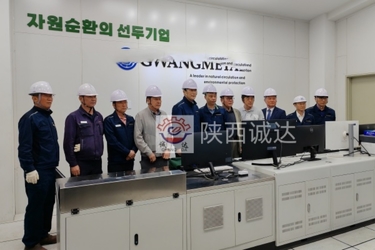 (جي-هوان)تهانينا الدافئة شركة شانشي تشينغدا لتصنيع الفرن الصناعي في كوريا الجنوبيةمنطقة تشونغ تشونغ الشمالية تثبيت معدات فرن صهر المعادن الثمينة والتصنيع الدقيق والتشغيل الصارم، نتطلع إلى المستقبل في المزيد من المجالات لتحقيق التعاون المفيد للجانبين!
اتصل شخص :
Du
رقم الهاتف :
13991381852
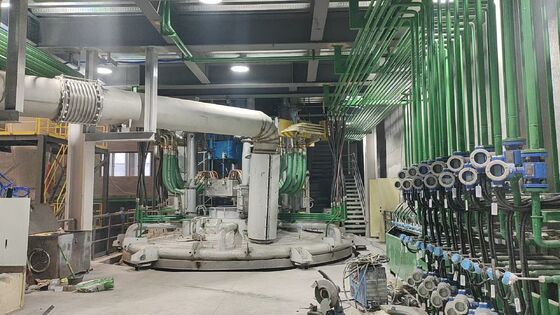
الفرن الكهربائي للصوف الصخري
| مكان المنشأ | الصين |
|---|---|
| اسم العلامة التجارية | Shaanxi Chengda |
| إصدار الشهادات | ISO 9001 |
| رقم الموديل | التفاوض على أساس قدرة معالجة المعدات |
| الحد الأدنى لكمية | 1 وحدة |
| الأسعار | The price will be negotiated based on the technical requirements and supply scope of Party A |
| تفاصيل التغليف | ناقش وفقًا للمتطلبات المحددة للطرف أ |
| وقت التسليم | شهرين |
| شروط الدفع | ل / c، / تي تي، ويسترن يونيون |
| القدرة على العرض | استكمال سلسلة توريد الإنتاج، والتوريد في الوقت المحدد، وتلبية معايير الجودة |
تفاصيل المنتج
| إبراز | فرن الصوف الصخري,فرن كهربائي للنفايات الخطرة,فرن معالجة النفايات الصلبة |
||
|---|---|---|---|
منتوج وصف
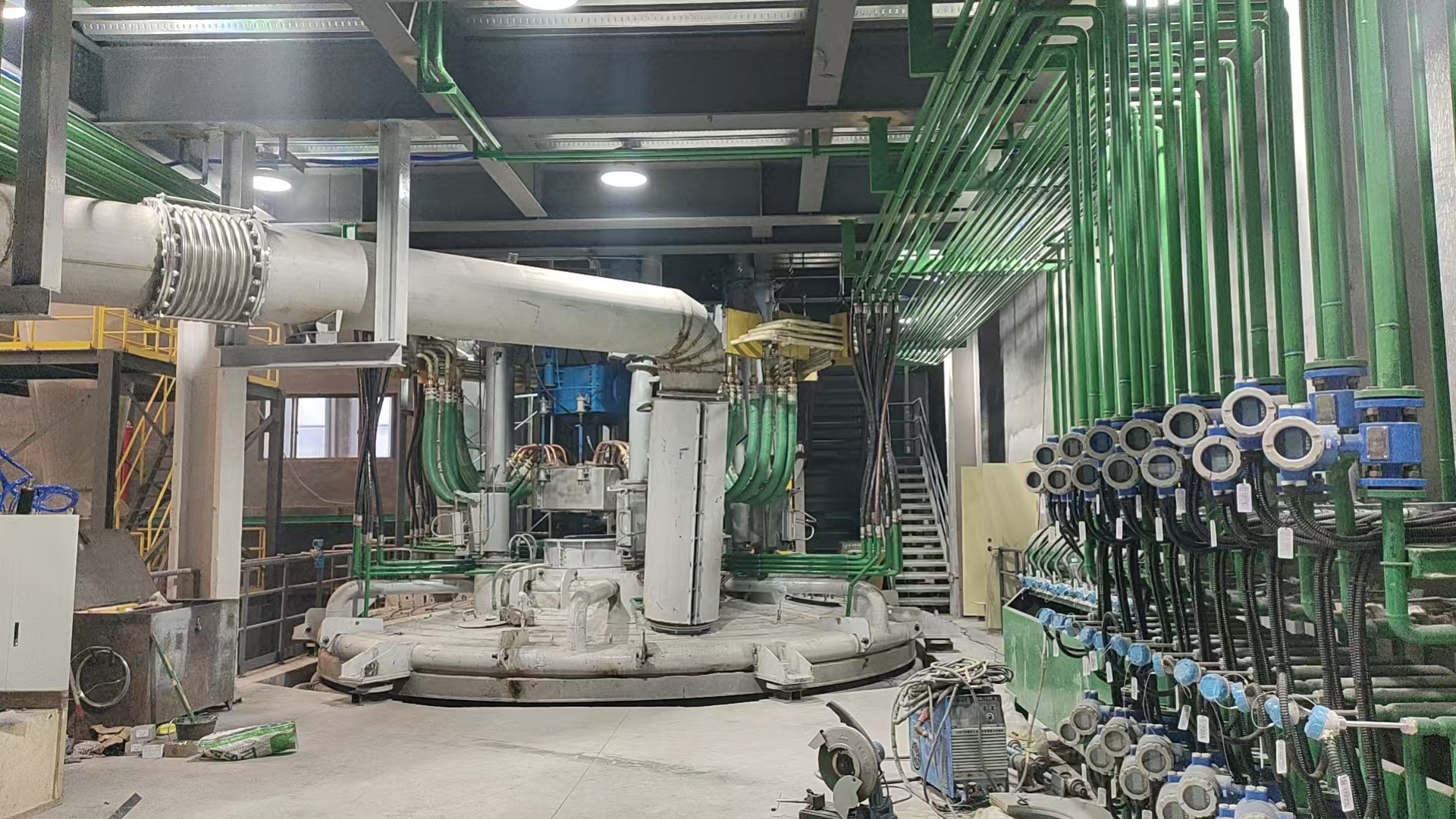
مقدمة إلى فرن الطيران الرماد الصخري الصوف الكهربائي
فرن الصوف الكهربائي للصخور الرمادية هو فرن ذوبان كهربائي متخصص تحت الماء مصمم لالتزجيج عالية درجة الحرارة من الرماد الطائر لحرق النفايات البلدية الصلبةوتنتج مواد عازلة من الصوف الصخري عالية الجودة. إنها تحول الرماد الطائر الخطير إلى صوف الصخور ذات القيمة المضافة عن طريق التدفئة الكهربائية،تحقيق التخلص غير الضار وإعادة تدوير الموارد في وقت واحد.
مبدأ العمل الأساسي
- تحضير المواد الخام: يتم خلط الرماد الطائر مع المعدلات (على سبيل المثال ، الجير ، الفيلدسبار) لضبط معامل الحموضة (1.5 ∼ 2.0) ولزوجة الذوبان.
- الذوبان الكهربائي: طاقة التيار المتردد أو المتردد ثلاثية المراحل تولد أقواس غارقة، وتسخين الفرن إلى1،350 ∼1,550 درجة مئويةلذوبان الخليط بالكامل إلى سلخ ذوبان متجانس.
- الزجاج والتنقية: تحلل درجة الحرارة العالية الديوكسينات (معدل التدمير > 99.99%) وتستقر المعادن الثقيلة في المرحلة الزجاجية.
- تشكيل الألياف: تتدفق الخامات المنصهرة باستمرار إلى جهاز طرد مركزي3.3~4.0 طن/ساعةلتشكيل ألياف الصوف الصخري
الهيكل الرئيسي
- جسم الفرن: قشرة الفولاذ مع غطاء MgO-C مقاوم للحرارة العالية والقشرة السامة.
- نظام الكترود: 3 أقطاب كهربائية من الجرافيت (φ400~600 ملم) مع رفع تلقائي؛ تعمل بواسطة محول مخصص.
- إمدادات الطاقة: قدرة المحول3,000 ¥10,000 كيلو إف إيه(الشائعة: 5,000 ¥ 7,500 كيلو فاي).
- الميل والنقر: الميل الهيدروليكي (بحد أقصى 45 درجة) والضغط على القاع لإفراز الخث المستمر.
- نظام التحكم: PLC/DCS لتنظيم الحرارة والطاقة والجريان التلقائي.
- الأنظمة المساعدة: جمع الغبار واستعادة الحرارة النفايات ومعالجة غازات الدخان.
المعلمات التقنية النموذجية
| المعلم | النطاق المشترك | فرن نموذجي 7,500 kVA |
|---|---|---|
| قدرة المحول | 3,000 ¥10,000 كيلو إف إيه | 7500 كيلو فاي |
| هوية قشرة الفرن | φ5,200 6,500 مم | φ6200 مم |
| درجة حرارة الذوبان | 1،350 ∼1,550 درجة مئوية | 1450 درجة مئوية |
| معدل تدفق الخث المذاب | 3.3~4.0 طن/ساعة | 3.8 طن/ساعة |
| معامل حموضة الخث | 1.5 ¢2.0 | 1.8±0.3 |
| دورة الذوبان | التشغيل المستمر | > 8000 ساعة/عام |
| الإنتاج الساعي (الصوف الصخري) | 4×6 طن/ساعة | 5.5 طن/ساعة |
| الطاقة السنوية | 3050000 طن | 45000 طن |
| استهلاك الطاقة بالوحدة | 300~400 كيلوواط ساعة/طن | 350 كيلوواط في الساعة/طن |
| استهلاك الكترود | 1.5~2.5 كجم/طن | 2.0 كجم/طن |
| معدل تدمير الديوكسين | > 99.99% | > 99.99% |
| خفض الكربون | ~ 245 كجم من CO2/t | ~ 245 كجم من CO2/t |
مواصفات المنتج (الصوف الصخري)
| البند | المعيار |
|---|---|
| الكثافة | 60-150 كجم/م3 |
| التوصيل الحراري | ≤0.044 واط/ ((m·K) |
| معامل الحموضة | ≥1.8 |
| قطر الألياف | ≤ 7.0 ميكرومتر |
| مقاومة الحريق | غير قابلة للاشتعال (الفئة A) |
| غسيل المعادن الثقيلة | تلبي GB/T 41015 2021 |
المزايا الرئيسية
- التخلص غير الضار: تدمير الديوكسينات وتثبيت المعادن الثقيلة، بما يتماشى تماما مع معايير معالجة الرماد الطائر.
- إعادة تدوير الموارد: يحول النفايات الخطرة إلى مواد عازلة ذات قيمة عالية.
- كفاءة الطاقة: الحرارة الكهربائية تقلل من استهلاك الطاقة بنسبة > 40% مقارنة مع القباب التي تعمل بالكوكس.
- جودة ثابتة: التحكم الدقيق في درجة الحرارة يضمن خصائص الألياف المتساوية.
- انبعاثات منخفضة: تلوث الغبار والغازات المدخنة قريب من الصفر.
- عمر خدمة طويل: التشغيل المستمر > 8000 ساعة سنوياً.
عملية الطلب العادية
- التجميع: الرماد الطائر + المعدلات → التكافؤ والمزج.
- شحن: إمدادات مستمرة إلى الفرن الكهربائي.
- ذوبان: تسخين القوس الغارق لتشكيل الخامات المنصهرة.
- التكرير: توحيد الخث وإزالة الشوائب.
- الألياف: الخردة → الطرد المركزي → ألياف الصوف الصخري.
- ما بعد المعالجة: التبريد والتصلب وتقطيع المنتجات النهائية.
التطبيقات
- معالجة النفايات: التخلص غير الضار من النفايات الحضرية الصلبة
- عزل المباني: الصوف الصخري عالي الأداء للجدران والأسقف والأنابيب.
- العزل الصناعي: عزل درجات الحرارة العالية للأفران والمعدات.
المنتجات الموصى بها
